From the hands of Hebei’s makers into everyday life.
Silk becomes a petal, red paper a window cutting, and clay a cup for tea.
A Hebei object folio
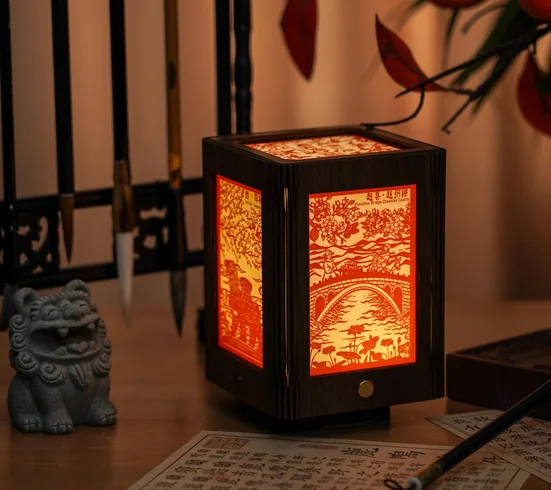
The Four Treasures lantern
Four Hebei landmarks, including Zhaozhou Bridge and the Iron Lion, appear in the illuminated paper cuts.
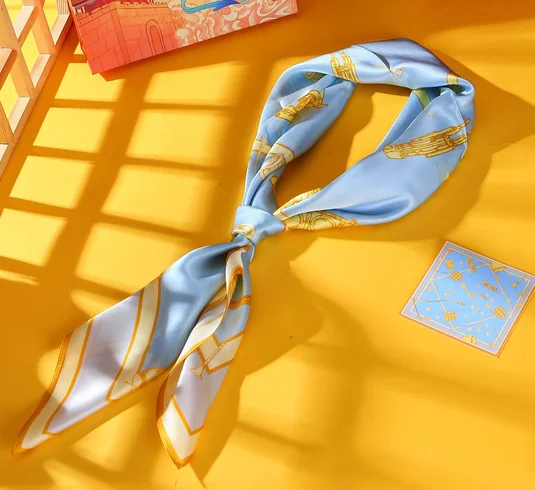
Xiumen wind-music scarf
Brass-coloured instruments from Shijiazhuang’s Xiumen wind ensemble run along the folds of pale blue mulberry silk.
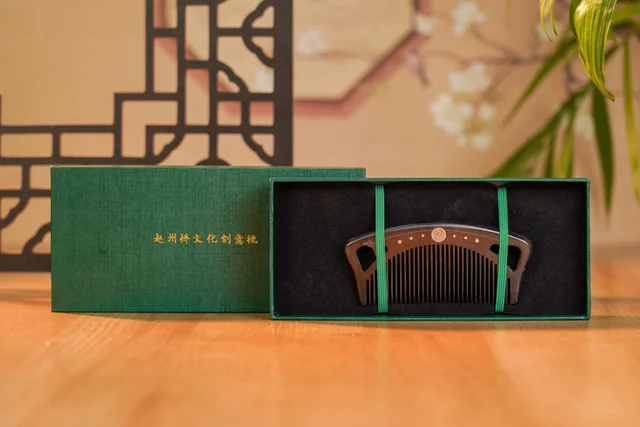
Zhaozhou Bridge comb
A silver inlay follows the arch of Zhaozhou Bridge across the back of a dark hardwood comb.
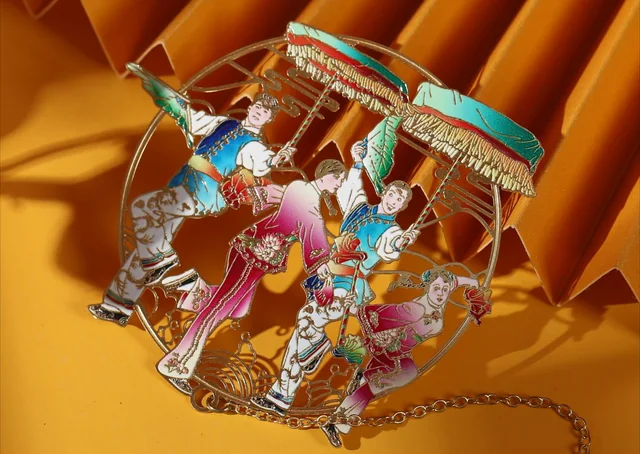
Jingxing dance bookmark
The painted copper figures capture the lifted arms and flowing sleeves of Jingxing’s Lahua folk dance.
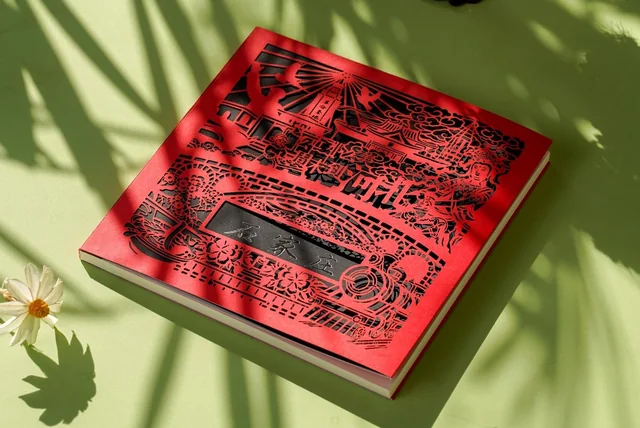
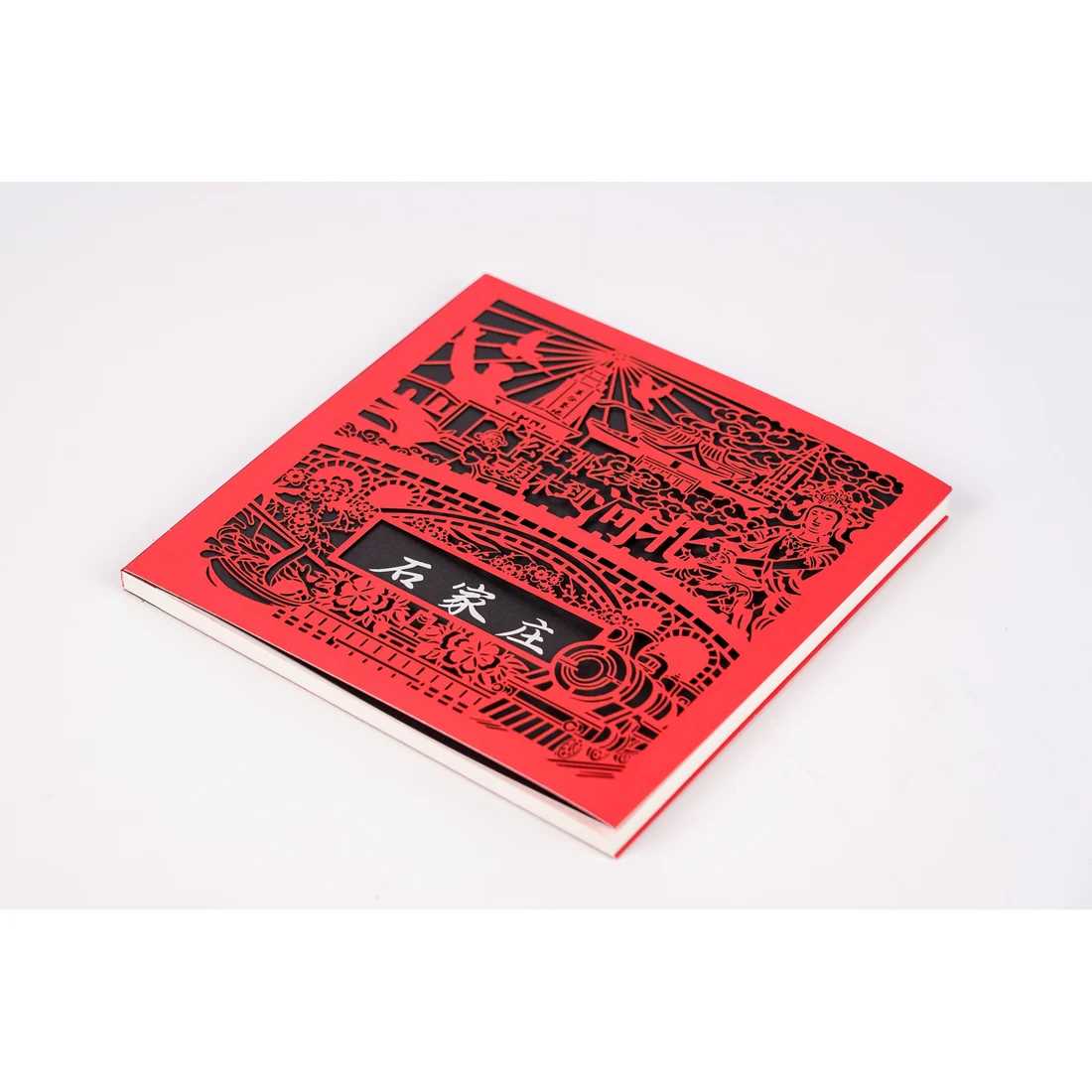
Shijiazhuang paper-cut notebook
A red cover gathers lines from the city into a paper-cut composition small enough to carry.
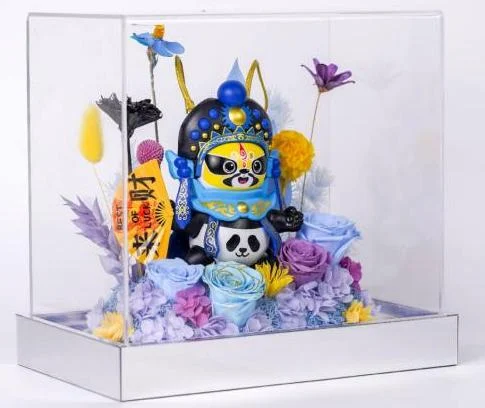
Opera mask in preserved flowers
A blue-and-gold opera figure sits among preserved flowers, framed like a miniature stage.
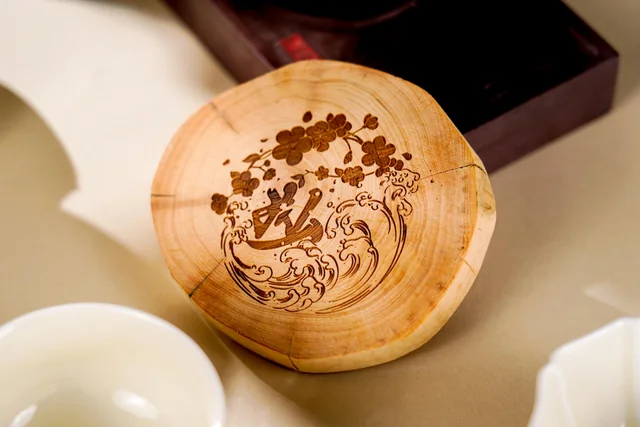
Miaogao Temple wood coaster
A dark motif sits against the grain of a round cypress coaster, made for the tea table.
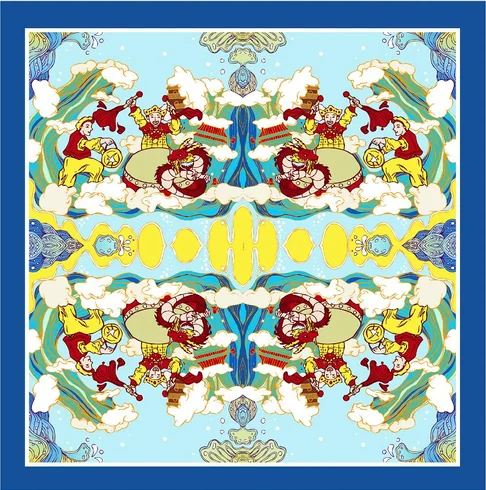
Changshan drum scarf
Figures from Zhengding’s Changshan war-drum tradition repeat across a silk square edged in blue.
Objects & craft
Collection index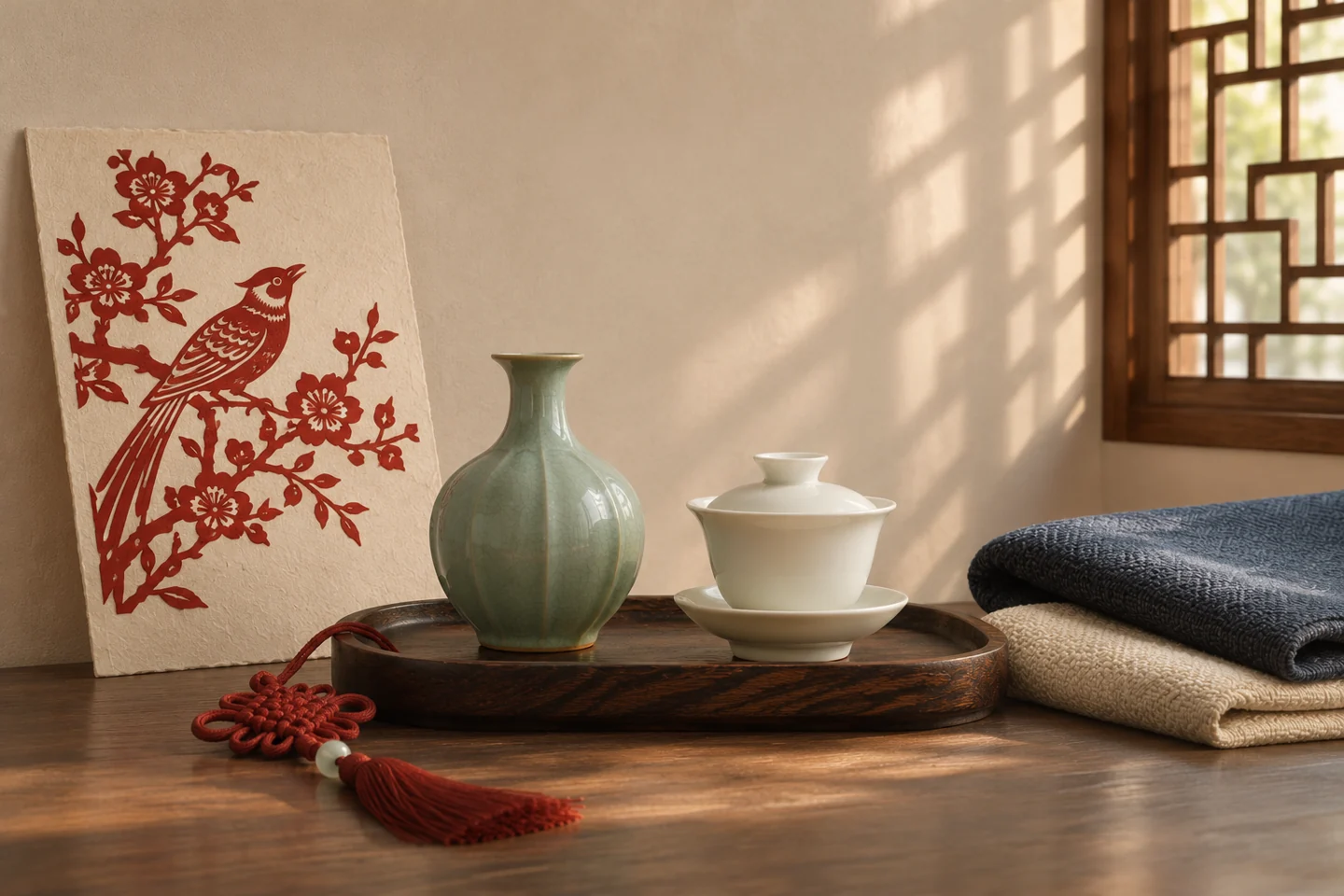
SELECTED WORKS · CHENGDE
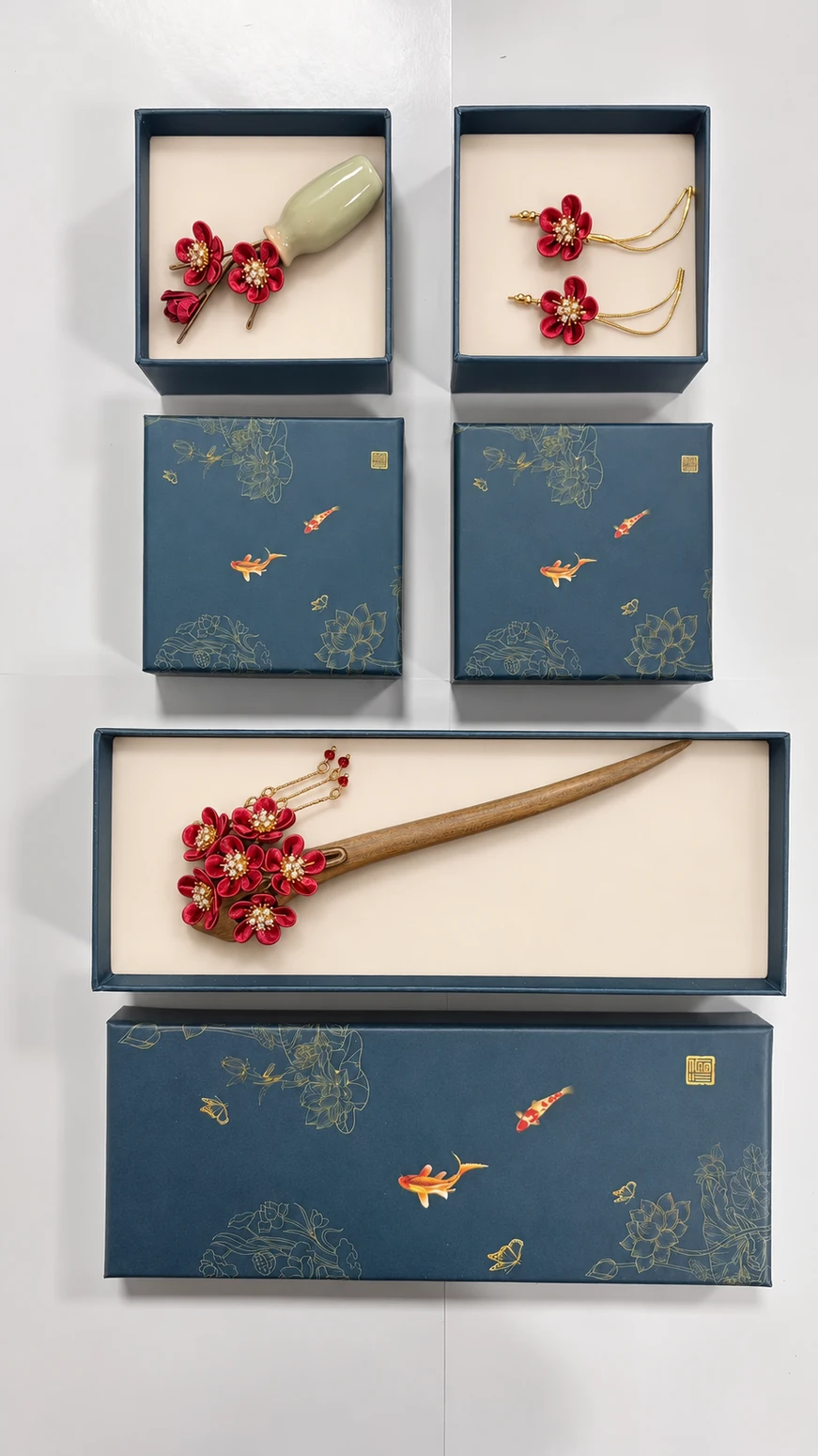
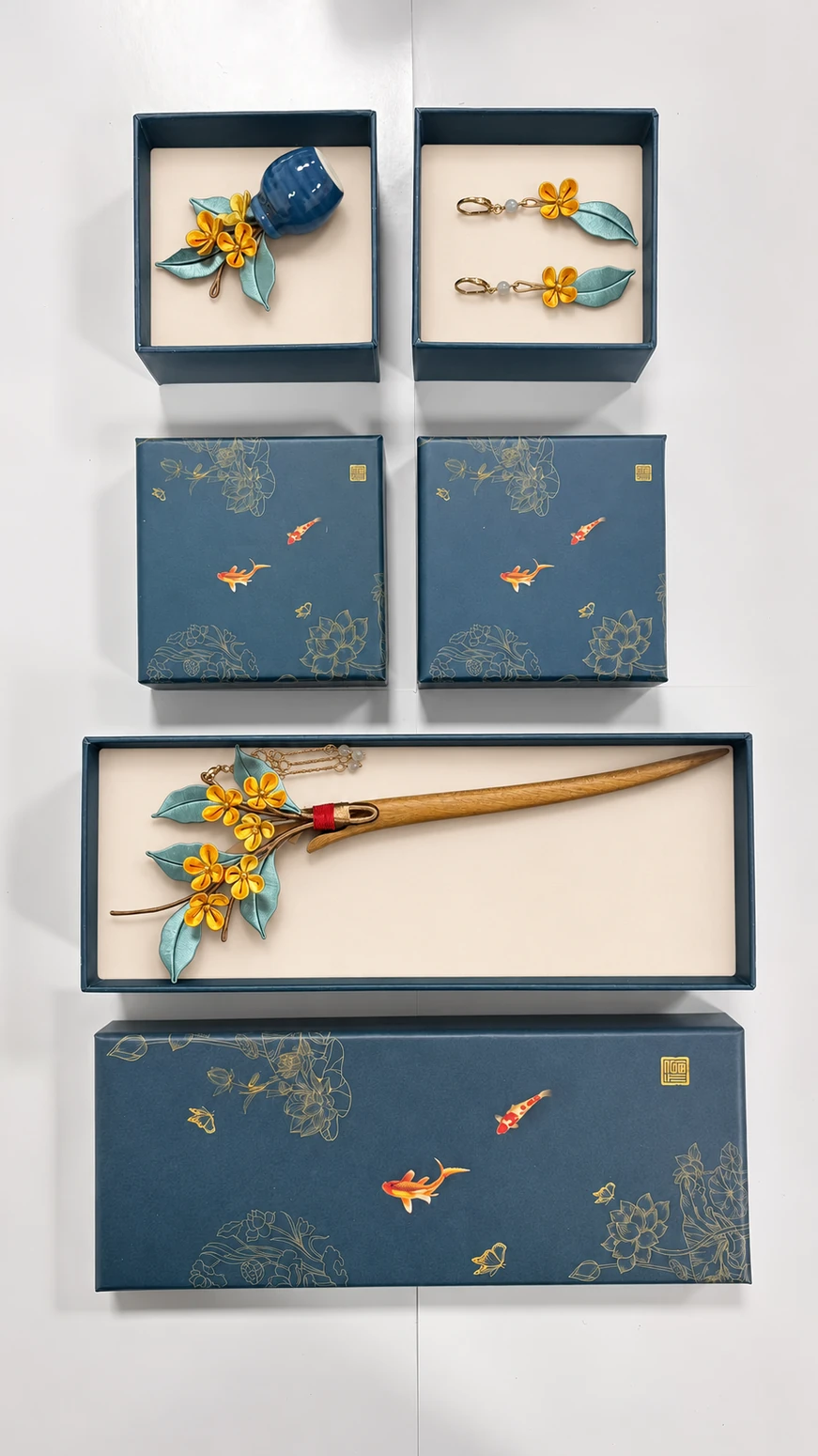
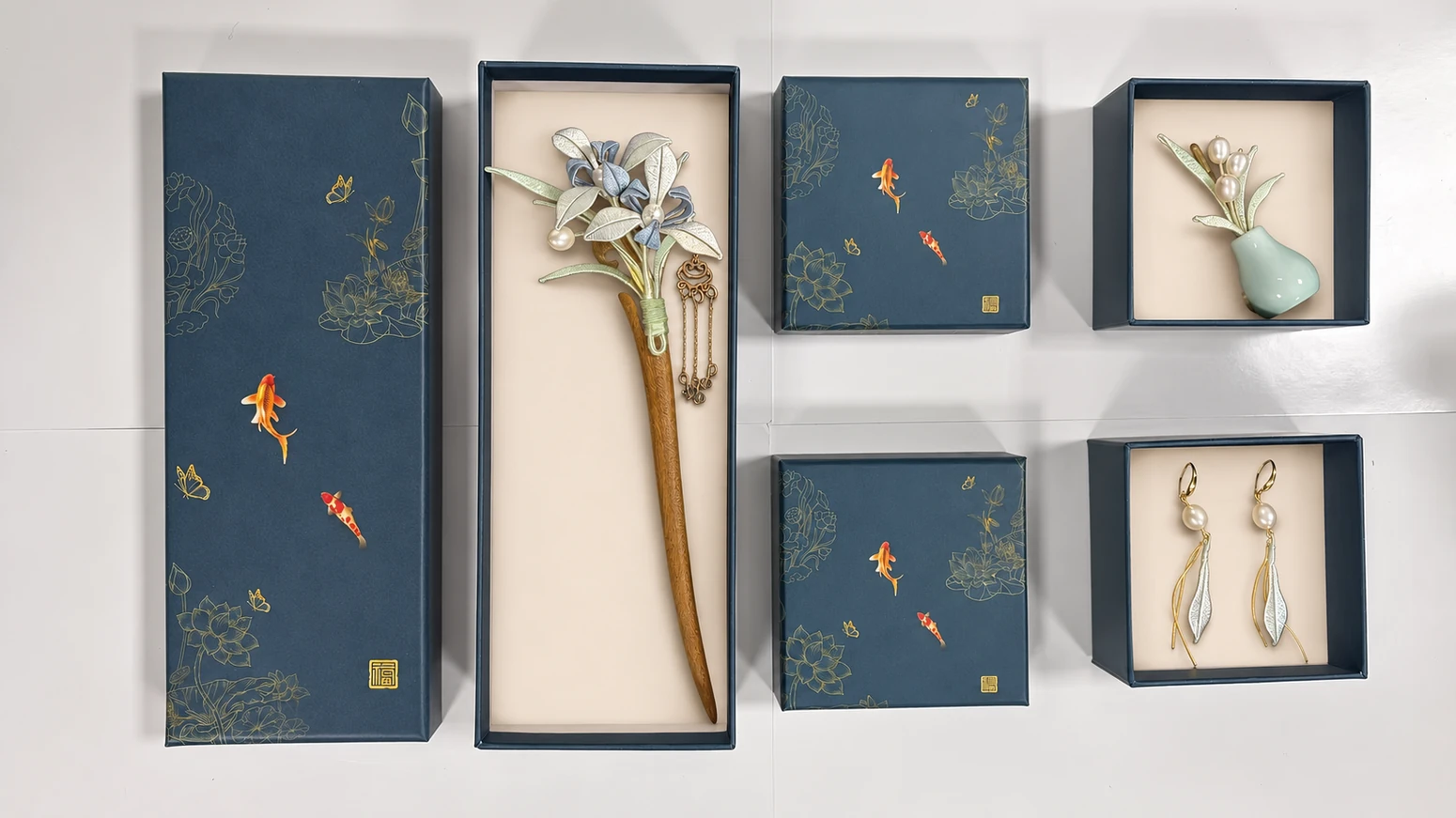
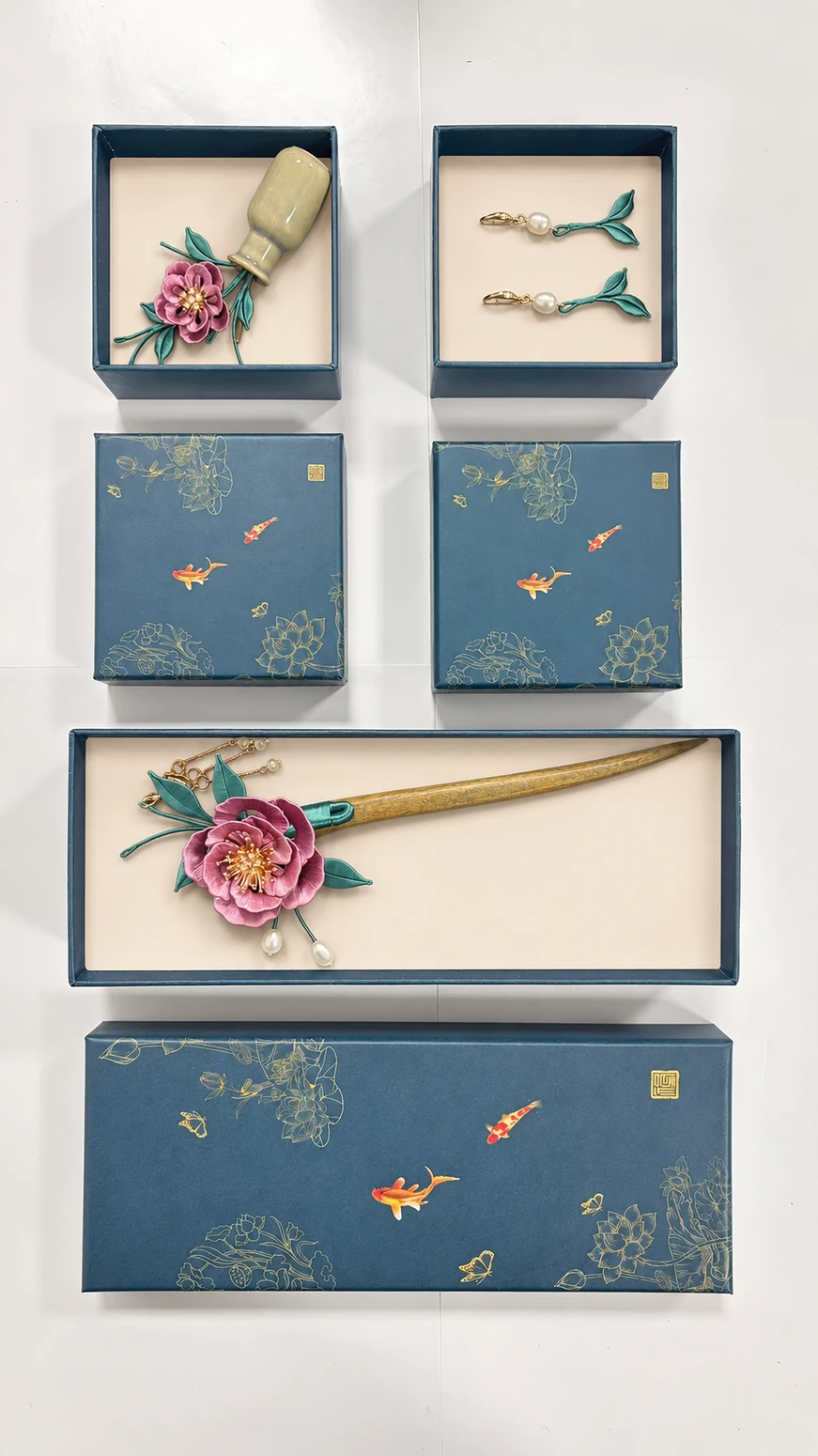
Rehe thread flowers
MAKERS & MATERIALS
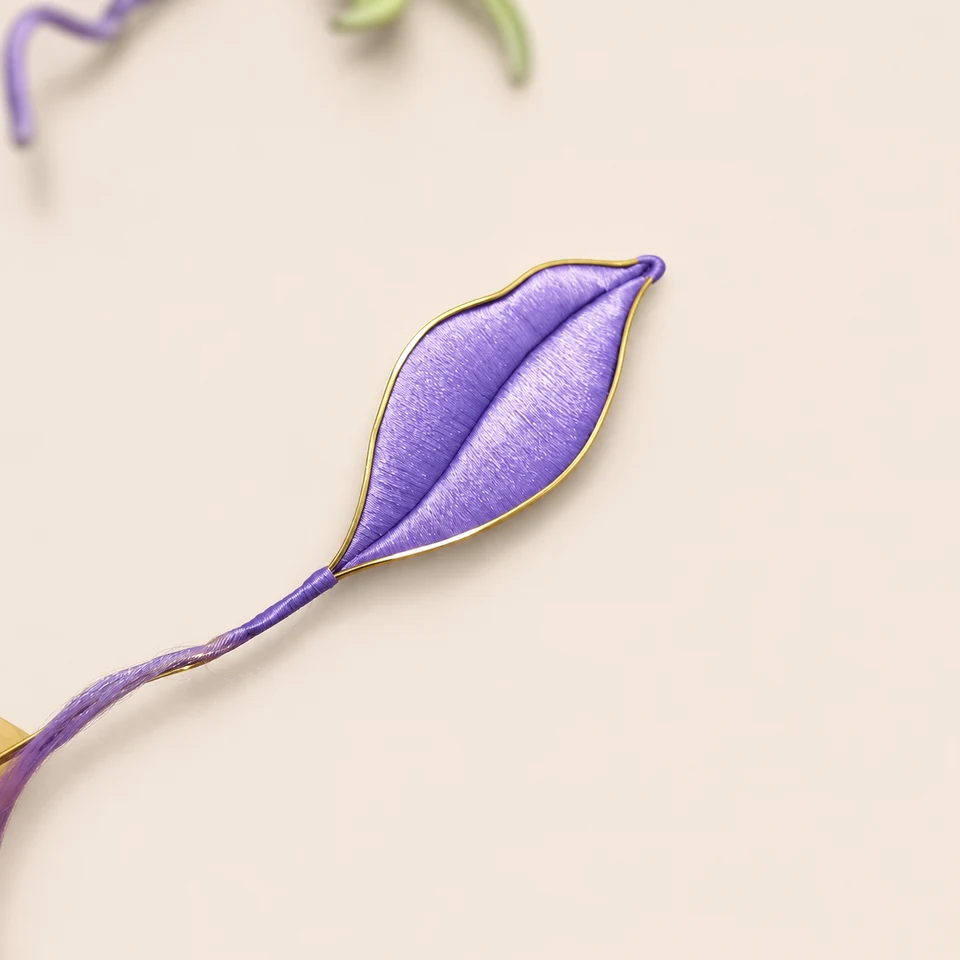
How is a petal made?
The maker draws and cuts a petal form, supports it with fine wire, then winds silk thread around its edges. The petals are bound together into a flower that can be worn in the hair.
See how thread flowers are made